
Pest Library
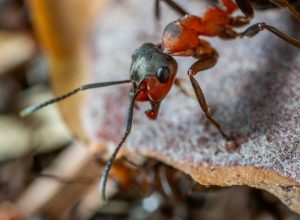
Ants
Why Use Professional Ant Control Services?
Did you know that ants can nest anywhere and get into your home through the tiniest cracks? Once one ant finds food, the rest will follow due to their incredible scent-tracking abilities. They’re very mobile pests, so the whole property needs to be treated to control them effectively. Ant colonies can quickly rebuild and repopulate new nests.
Benefits of Professional Ant Control:
- Peace of Mind: Our experts ensure a comprehensive solution, giving you peace of mind and a pest-free environment.
- Health and Safety: We use safe and effective methods to eliminate ants without posing any risks to your family or pets.
Effective ant control means using the right tools and methods. Not all ants are the same, and our experts know exactly how to deal with each species. Our team is trained and certified to handle various ant infestations with precision and care.
The three most common ant species are:
- Carpenter Ant
- House Ant
- Pavement Ant
Getting rid of ants isn’t as simple as spraying some pest control solution on a counter and hoping for the best. That can be hazardous to you and might actually spread the ants instead of eliminating them. Our ant control experts have the experience and knowledge to identify the ant species and accurately treat your ant problem safely and effectively. Some ants, like the odorous house ant (Tapinoma sessile), can split up and create more nests when faced with insecticide sprays. Using off-the-shelf solutions could make your infestation worse.
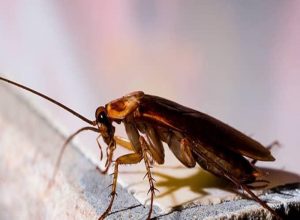
Cockroaches
Did you know that German cockroaches are common allergens for many people? All types of cockroaches can carry bacteria and disease from one feeding site to another. They can even spread parasitic worms from one host to another. As they move from place to place, they can contaminate food. The kitchen is the biggest breeding ground for cockroaches. They leave behind a black stain with a pheromone in the areas where they breed. This pheromone attracts other cockroaches to the same spot to feed and mate.
Ah, the cockroach: the ultimate disease-carrying, all-consuming, mass-spawning, nocturnal critter that nobody wants to see. If you have cockroaches, there are probably a lot more than you can see. Colonies can live under linoleum, inside any part of a structure, inside stored items, and more.
Cockroaches come in various sizes, from tiny to relatively large for urban insects. Eliminating them requires thorough treatment and attention to detail.
The Three Most Common Cockroach Species:
- German Cockroaches
- American Cockroaches
- Brown-Banded Cockroaches
Are Cockroaches Dangerous?
Yes, they are! German cockroaches are known allergens for many people. Here are a few diseases they can carry:
- Salmonellosis: This bacterial infection is caused by Salmonella bacteria, which cockroaches can spread by contaminating food and surfaces.
- coli Infections: Cockroaches can carry Escherichia coli (E. coli) bacteria, which can cause severe food poisoning and gastrointestinal issues.
- Campylobacteriosis: This infection is caused by Campylobacter jejuni bacteria, which can be spread by cockroaches through contaminated food. Symptoms include diarrhea, abdominal pain, fever, and vomiting.
All types of cockroaches can carry bacteria and diseases, spreading them from one feeding site to another. Additionally, they may spread parasitic worms from one host to another and contaminate food as they move around. The kitchen is their favourite breeding place. Cockroaches leave behind a black stain with a pheromone where they breed, attracting other cockroaches to the same spot to feed and mate.

Rats
Rats are quick to breed, fast on their feet, and can burrow into boxes and squeeze through the tiniest cracks. They’re notorious for eating through anything that stands between them and food. These clever critters can hide the damage they cause while their litters grow and multiply. In worse cases, they can contaminate food storage while going unnoticed.
Are Rats Dangerous?
Yes, rats can be quite dangerous for several reasons. They can carry fleas and ticks into your home and are known carriers of diseases. Here are a few diseases they can carry:
- Salmonellosis: This bacterial infection is caused by Salmonella bacteria, which can be spread through contaminated food or surfaces touched by mice. Symptoms include stomach cramps, diarrhea, fever, and vomiting.
- Hantavirus: This virus can cause Hantavirus Pulmonary Syndrome (HPS), a severe respiratory disease that can be fatal. It is spread through inhalation of dust contaminated with mouse urine or droppings.
- coli Infections: House mice can carry Escherichia coli (E. coli) bacteria, which can cause severe food poisoning and gastrointestinal issues.
Rats also transmit bacteria through their urine and feces. They have an innate need to gnaw and are non-discriminatory when it comes to chewing. They can damage your favorite antique holiday decorations or chew through electrical wires, risking extensive damage or even fires.
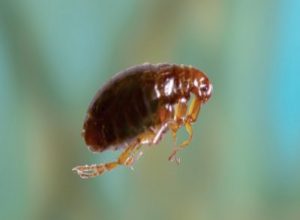
Fleas
Fleas are annoyingly fast to reproduce and can carry blood-borne diseases. All it takes to cause a flea problem is one guest or customer with a pair of unwanted stowaways. Fleas can nest, feed, and breed either indoors or out. They live off of organic debris and prefer to attach themselves to people and animals. This means a severe nuisance, especially for businesses.
A flea problem is a guaranteed way to lose business. Meanwhile, for homes, your poor pets will suffer the brunt of the assault. A combination of human- and pet-safe treatments will kill these pests and prevent their eggs from spawning.
Are Fleas Dangerous?
Fleas are one of the most common parasites that affect our pets. While their bites can be irritatingly itchy, they can also become infected if scratched excessively. Additionally, fleas are known to spread secondary parasitic infections, such as tapeworms, to our pets. Fleas have also been known to spread bacterial infections such as Bartonella henselae, more commonly known as cat scratch fever. Some pets and people may also develop an allergic reaction to flea bites over time.
Indirect Infections
- Tapeworms: Fleas can carry tapeworm larvae. If a pet ingests an infected flea while grooming, the tapeworm can develop and cause health issues.
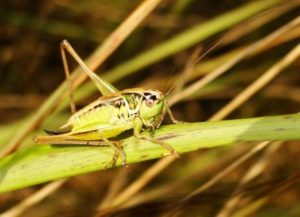
Grasshopper
Grasshoppers might seem harmless, but they can cause quite a bit of damage to your lawn, garden, and landscape. These little critters breed in large numbers and can grow pretty big. Plus, they’re not always shy about coming close to humans.
Silverfish
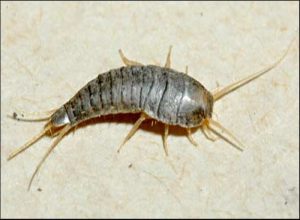
The silverfish gets its name because it looks like a tiny, shiny silver fish with legs. These fast-moving critters are about half an inch long and mainly feast on starch and mold. They love warm, damp areas but can be found just about anywhere. Unfortunately, their diet means they can damage wallpaper, books, paper products, insulation, and even get into your kitchen stock. They can also leave yellowish stains, especially on light fabrics. To prevent a repeat invasion, a dehumidifier, fans, good ventilation, and structural repairs can work wonders alongside our pest control services.
Are Silverfish Dangerous?
Silverfish aren’t aggressive and pose no physical harm to people. However, some individuals might experience mild allergic reactions due to the breakdown of lost silverfish scales during molting. In high concentrations, these scales can contribute to dust build-up in homes. If you have a silverfish problem, you might also attract centipedes and spiders, as they enjoy snacking on these little pests.
Spiders
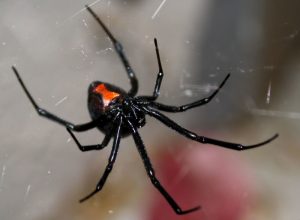
Spiders can be more than just a nuisance. Whether they’re dangerously poisonous or simply unsettling with their creepy crawlies, there are countless reasons to address a spider infestation. With so many different types of spiders, it’s often challenging to identify the kind of pest you’re dealing with.
PestPure Solutions offers a thorough and environmentally friendly spider extermination process. We treat the exterior of your home or business extensively, and apply treatments inside if needed. During our service, our technicians will also brush around doors, windows, and leaves to remove spider webs and any evidence of spiders, keeping them from sneaking indoors.
Are Spiders Dangerous?
Most common house spiders aren’t dangerous, but it’s still important to be cautious when removing webs or spiders from your home. Some spiders, like the brown recluse and black widow, have nasty bites. If you’re bitten by a venomous spider, contact a physician immediately. Make sure to familiarize yourself with the venomous spiders in your area and avoid contact.
Ticks
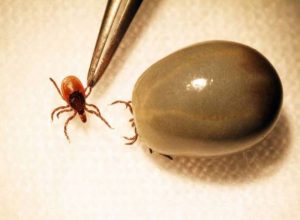
Ticks can be quite a painful and dangerous nuisance, especially for pet owners or anyone living or operating a business close to nature. While there are many types of ticks, they all share one trait – they’re blood-sucking parasites. Many ticks can carry blood-borne diseases, and even those that don’t can still pose a threat. Some species can shut down a victim’s nervous or immune system with toxins in their saliva.
Ticks are impressively smart for their size, well-armored, and present real health risks. They can detect poisons and know how to run and hide when insecticide is applied. Often, they take cover in tall grass to avoid danger. These instincts make tick control a meticulous job that requires thorough treatment and a strategic application pattern to prevent ticks from invading your property.
Wasps
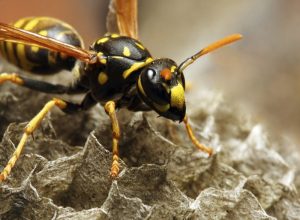
Just like bees, wasps can be a major headache for businesses. Even if your customers and guests aren’t allergic, the sight of a wasp nest can still scare them away. Many business owners have told us that at the first sign of a wasp nest, potential customers turn around and never come back.
Wasps are skilled at hiding their nests in all sorts of places, including inside walls. They can create multiple nests, and all it takes is a tiny crack in your building for wasps to move in and start causing trouble.
Moths
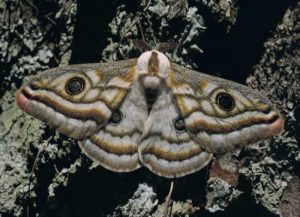
Moths might seem harmless, but they can be a real nuisance. They can annoy you and your guests, and they love to munch on your upholstery and clothes. While moths may not pose a health risk, they’re still pesky pests. The damage they cause starts from the moment they hatch. They can severely harm leather, fur, and other organic fabrics, especially items stored on the upper floors of a building.
Flies
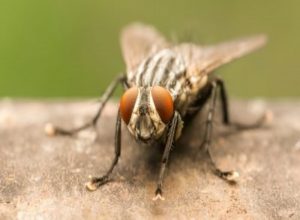
Flies can range from mildly annoying to downright dangerous. Some might bite, but their real crime is occasionally breeding in food supplies. Without professional pest control, restaurants face a constant battle to ensure customers get the first bite of every meal.
Flies also love to breed in garbage, so no business is entirely safe from their temptation. Here are the three most common types of flies:
- House Flies
- Drain Flies
- Fruit Flies
Are Flies Dangerous?
Flies spread diseases and bacteria as they move from one feeding site to the next, leading to food contamination and the spread of germs. This includes serious illnesses like cholera and food poisoning. They can also create habitats conducive to larger pest problems, like spider infestations.
Crickets
Flies can range from mildly annoying to downright dangerous. Some might bite, but their real crime is occasionally breeding in food supplies. Without professional pest control, restaurants face a constant battle to ensure customers get the first bite of every meal.
Flies also love to breed in garbage, so no business is entirely safe from their temptation. Here are the three most common types of flies:
- House Flies
- Drain Flies
- Fruit Flies
Are Flies Dangerous?
Flies spread diseases and bacteria as they move from one feeding site to the next, leading to food contamination and the spread of germs. This includes serious illnesses like cholera and food poisoning. They can also create habitats conducive to larger pest problems, like spider infestations.
Subterranean Termites
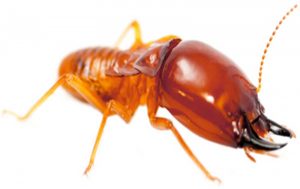
Subterranean termites live in underground colonies or in moist, hidden areas above ground. They build distinctive “mud tubes” to access food sources and protect themselves from open air. Like other termites, they feed on anything containing cellulose. In the spring, subterranean termites swarm when groups of reproductive termites venture out to start new colonies.
Subterranean termites are the most destructive termite species by far. Their hard, saw-toothed jaws work like shears, biting off tiny fragments of wood, one piece at a time. They can cause severe property damage.
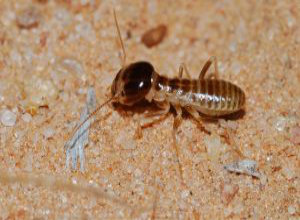
Harvester Termites
They can be identified by the serrated inner edge of their mandibles and their functional compound eyes, which are present in all castes. They forage for grass both day and night, and you can often see pigmented workers outside the nest. Their range includes the deserts and savannas of Africa, the Middle East, and Southwest Asia.
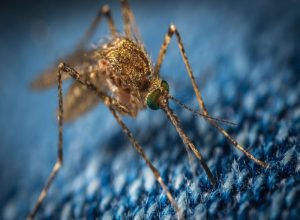
Mosquitoes
Everyone knows about the tiny mosquito menace. You don’t see them coming because of their size, and you don’t feel them bite because of the sedative in their saliva. But afterwards, you itch like crazy, and you’re at risk of blood-borne diseases. Mosquitoes are one of the biggest health risks among pests. They can breed easily and go undetected until the infestation is severe.
Are Mosquitoes Dangerous?
Mosquitoes can be dangerous to humans because they transmit illnesses. They can carry diseases such as encephalitis, malaria, Zika virus, West Nile virus, Dengue fever, and Chikungunya virus. Some of these viruses are introduced through travel, while others are naturally prevalent in the area. Since you can’t know whether a mosquito is carrying a virus, preventing bites is crucial.